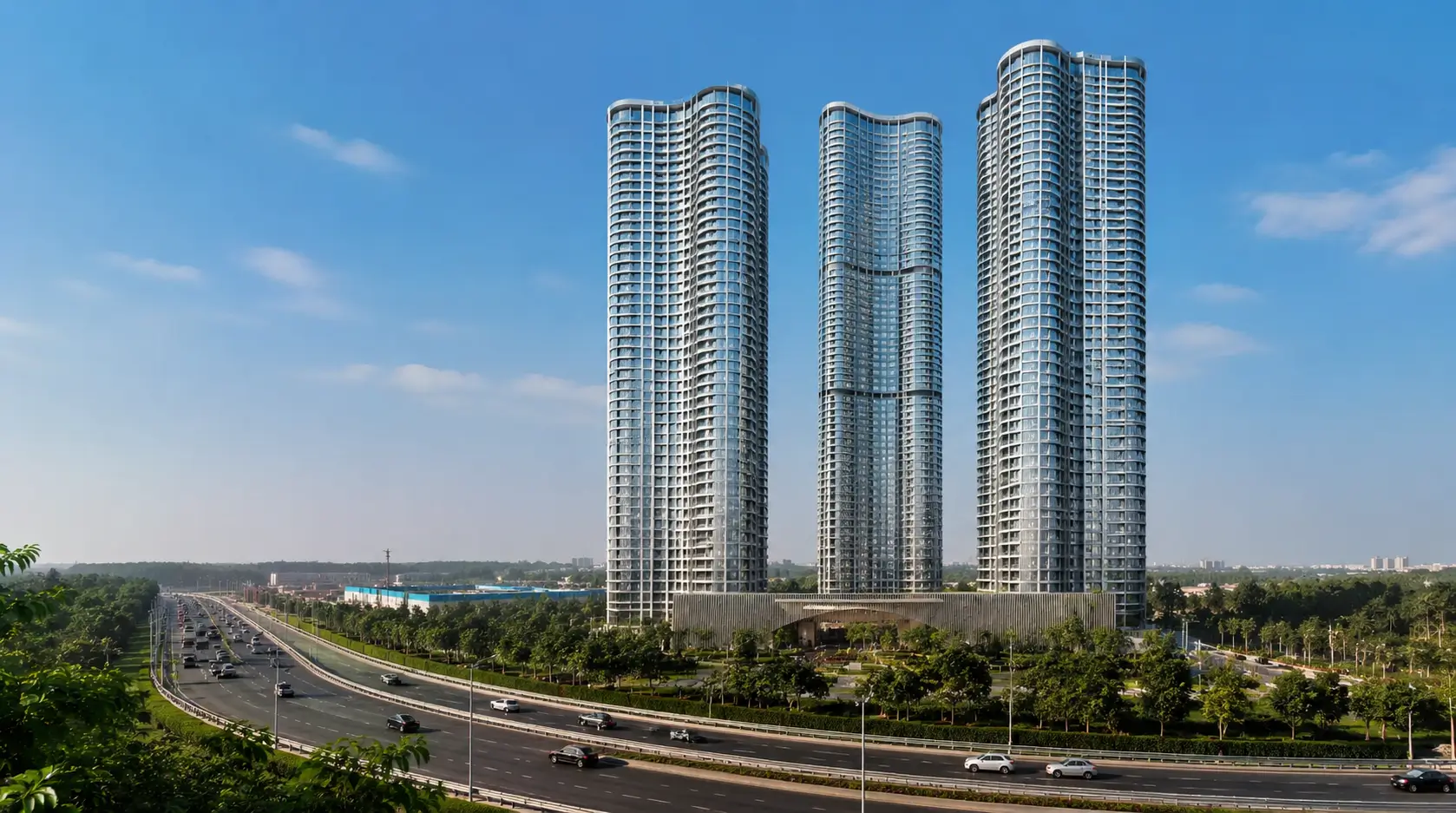
Investigating current high-end residential real estate spaces highlights how discerning home buyers focus heavily on premium execution. In evaluating the commercial sustainability of premium estate holdings, checking the detailed engineering specifications, legal compliance frameworks, and long-term valuation trends is highly essential. #link# serves as an active reference point for analyzing how localized infrastructure pushes organic demand. To gain an accurate understanding of these architectural environments, astute investors look past superficial cosmetic finishes to review foundational engineering benchmarks, spatial efficiency metrics, and land titles.
Investigating Micro-Market Connectivity and Tech-Hub Commute Paths
The strategic deployment of international aviation gateways and cargo terminals triggers immediate real estate demand from high-net-worth individuals and corporate entities. Modern suburban growth matrices consistently reveal that commercial infrastructure investments lowers vacancy rates while boosting rental yield opportunities for long-term real estate owners. When an integrated township is built immediately adjacent to expanding aerospace special economic zones, the long-term capital appreciation trajectory becomes remarkably insulated from temporary localized supply spikes. Furthermore, the massive influx of multinational technology giants, manufacturing conglomerates, and global capability centers eliminates the traditional lifestyle friction commonly associated with transitioning to newly developing suburban sectors. Investors tracking these specific geographic variables can systematically eliminate location-based investment risks.
Advanced Engineering Standards and Monolithic Construction Technologies
The long-term maintenance overhead of contemporary residential towers rests completely on the selection of premium building materials and precision structural engineering. Utilizing monolithic concrete pouring techniques instead of traditional clay block wall assemblies guarantees that the building structure safely outlasts conventional real estate constructions by several decades. To justify a premium luxury market positioning, the physical finishes inside each residential unit balance aesthetic grandeur with functional longevity, using sustainable eco-certified materials throughout the layout. At the same time, leading luxury real estate architects are heavily emphasizing wide open green spaces. Designing a master layout that spreads limited structural towers over vast, expandable land parcels the underlying asset retains a massive undivided share of land value, directly benefiting the individual homeowner. This specific combination of advanced engineering and low-density planning guarantees permanent property demand.
Navigating Statutory Approvals, Land Documentations, and Risk Mitigation Checklists
For astute high-net-worth individuals evaluating long-term capital allocation options, high-end gated township properties consistently demonstrate vastly superior risk-adjusted returns than equity options. Entering a tier-1 development phase before the public distribution of marketing brochures safeguards financial capital against inflationary spikes in core building material and labor commodities. Concurrently, projected property rental yields within these rapidly expanding commercial and industrial zones provides long-term stability due to multi-year corporate lease agreements and high tenant retention rates. However, achieving these lucrative financial rewards requires absolute dedication to thorough legal and regulatory verification. Verifying complete state-specific real estate regulatory authority compliance, widely known as the RERA approval registration, protects the individual here home buyer by binding the developer to legally enforceable completion timelines and specifications.
The Modern Blueprint for Eco-Sustainable Communities and Wellness Facilities
True luxury real estate in the current era is defined far beyond cosmetic interior finishes or layout dimensions. Implementing central voice-activated automation systems and touchless digital access configurations allows residents to effortlessly manage spatial lighting, interior climate settings, and visitor tracking protocols. This physical design transition is heavily backed by the development of massive multi-level lifestyle clubhouses. Featuring fully equipped professional health clubs, Olympic-sized swimming pools, and dedicated indoor sports courts, the community design provides a vibrant, healthy, and highly secure environment for families to thrive over generations. In addition to this, implementing zero-waste rainwater harvesting models and sustainable solar energy networks adds an immense premium to the property's market positioning, driving permanent tenant demand.
Summary of Indispensable Benchmarks for Premium Real Estate Portfolios
In summary, capitalizing on high-tier residential developments demands meticulous alignment across multiple critical dimensions: strict legal title validation, biophilic design preservation, and developer delivery track records. Capital allocators who aggressively target early-stage entry pricing within low-density integrated townships will successfully future-proof their capital holdings against urban congestion and economic adjustments. As strategic real estate zones approach their structural maturity over the coming years, these ultra-premium residential enclaves will stand out as the definitive standard for luxury urban living.